Lemon peel ‘Not fit for consumption’? Post-harvest chemicals and the UV alternative.
A lemon label goes viral
A supermarket fruit label has done what years of industry reports couldn’t: got shoppers talking about post-harvest chemicals.
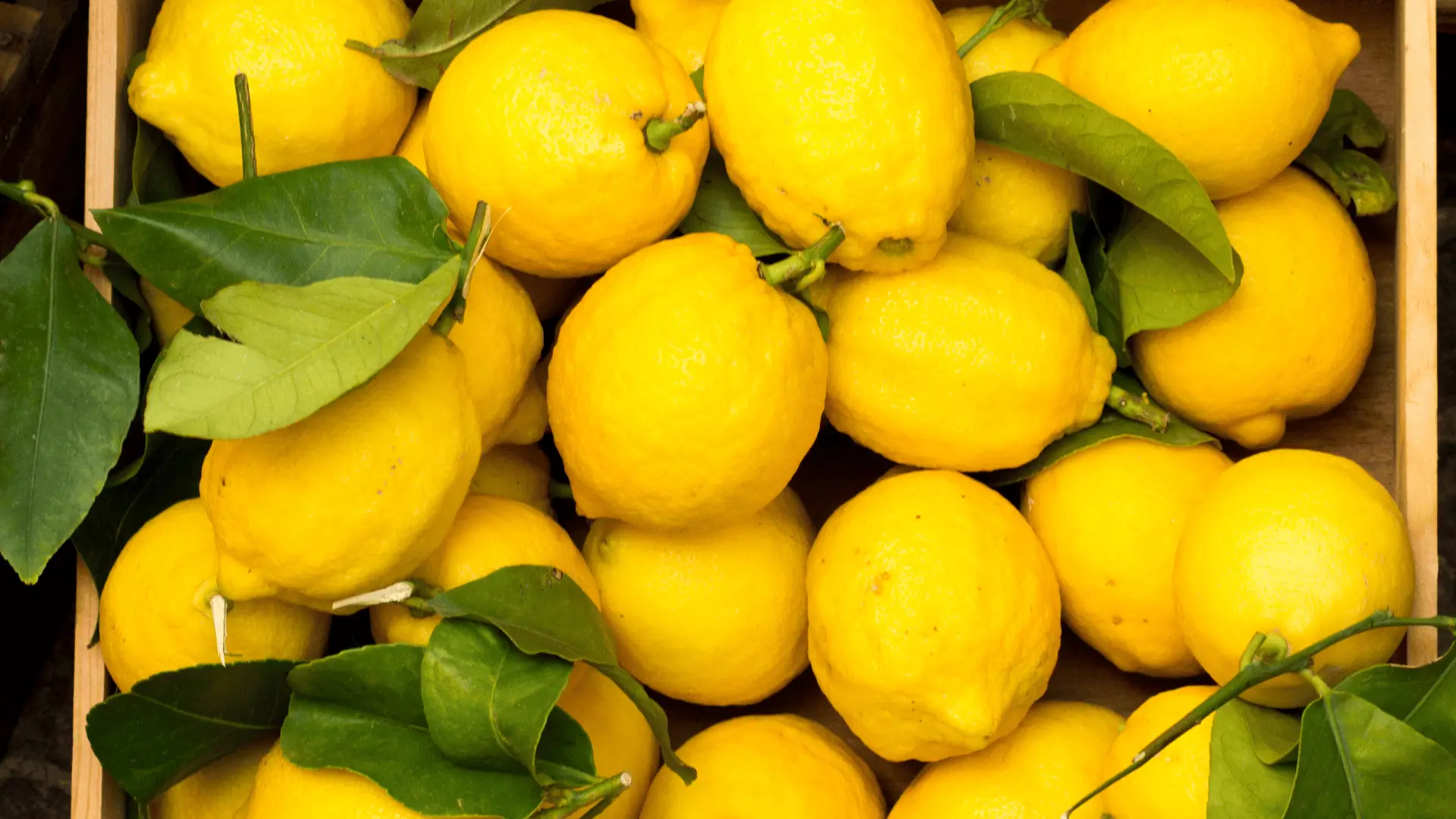
This month, nutritionist Eva Humphries, who posts on Instagram as @wholefoodwarrior, shared a post that quickly went viral. She pointed out that citrus is often treated after harvest with chemicals that make the zest unsuitable for eating, and that Lidl was the only UK supermarket putting a warning on the fruit. Photos of the labels soon spread, with consumers on forums asking how many people ever check the label on a bag of lemons.
For anyone working in fresh produce, none of this is new. Post-harvest washing, drenching and waxing with fungicides is standard practice. What’s new is that consumers are noticing, and asking why.
Why Lidl’s label says what others don’t
The warning isn’t Lidl going rogue. It reflects the EU’s stricter approach to citrus labelling.
Under EU marketing rules, packs of lemons, mandarins and oranges must state any preserving agents or other chemicals used in post-harvest processing. Spain challenged that requirement, arguing it unfairly singled out citrus. The EU courts disagreed, ruling in 2016 that the labelling was necessary for proper consumer protection (Court of Justice of the EU). A question put to the European Commission by an MEP also noted that where imazalil is used, an “inedible peel” warning is expected on the label (European Parliament).
In the UK, retailers list the post-harvest treatments, but there’s no requirement to warn that the peel shouldn’t be eaten. Lidl appears to be applying the EU-style wording, which is why its lemons stood out on the shelf. Same chemicals, different words, very different reaction from shoppers.
What’s actually on the peel
The usual suspects are synthetic fungicides such as imazalil, thiabendazole and pyrimethanil, often carried in a wax coating such as shellac (E904). They’re applied after harvest to stop mould and extend shelf life.
They’re legal. The UK and EU set maximum residue levels for each, and UK monitoring has found residues are unlikely to pose a risk, partly because most people don’t eat the peel. But they’re widespread. Tests commissioned by the Environmental Working Group found imazalil or thiabendazole on nearly 90% of non-organic citrus samples.
Pesticide Action Network UK makes a similar point. It says the government’s own residue testing tends to put citrus at the top of the table, with every grapefruit tested in 2021 carrying a cocktail of pesticides. Much of that sits on the peel rather than the flesh, but PAN UK notes that more people are now using citrus zest. It also warns that simply handling fruit coated in fungicides can lead to absorption through the skin, calling this “a problem, particularly for children”.
The problem is that we do eat the peel. We zest it into cakes, drop slices into drinks and simmer whole fruit into marmalade. Nutritionist and Sunday Times bestselling author Jenny Tschiesche raised exactly this point in a widely shared TikTok video last year. Having found easy peelers treated with six different chemicals, she urged shoppers to read the label, adding: “Don’t grate the zest into your food.” Her advice was to wash citrus thoroughly or, better still, buy organic.
Why citrus is treated with post-harvest fungicides
Citrus travels a long way, and mould travels with it. Green and blue mould (Penicillium) and stem-end rots can destroy a consignment between packhouse and shelf. The standard defence is a fungicide bin drench, followed by more fungicide on the packing line, often in the wax.
The wash itself is part of the problem. Water used to clean fruit can pick up mould spores and push them into small wounds in the skin, where they’re much harder to kill. Recirculated wash water that isn’t disinfected becomes a carrier, not a cleaner.
There’s pressure on the chemical route from several directions. Researchers note that fungicide use is increasingly restricted on environmental grounds, and that fungal strains are developing resistance. Some EU markets also put up barriers to fruit treated with certain fungicides. And now, consumers are reading the labels.
A chemical-free alternative to post-harvest treatments
If the goal is to stop mould and bacteria before they take hold, the smartest move is to tackle them at source, without adding anything to the fruit. That’s where UV disinfection comes in.
UV light inactivates bacteria, mould spores and viruses by damaging their DNA, so they can’t multiply. It leaves no residue, needs no chemical storage or handling, and there’s nothing for a label to declare. At UVO3, we apply it across the three routes by which contamination reaches produce:
- Water: treating wash, flume and recirculated water so it cleans fruit rather than spreading spores from one batch to the next. The same systems treat irrigation, borehole and surface water further up the chain.
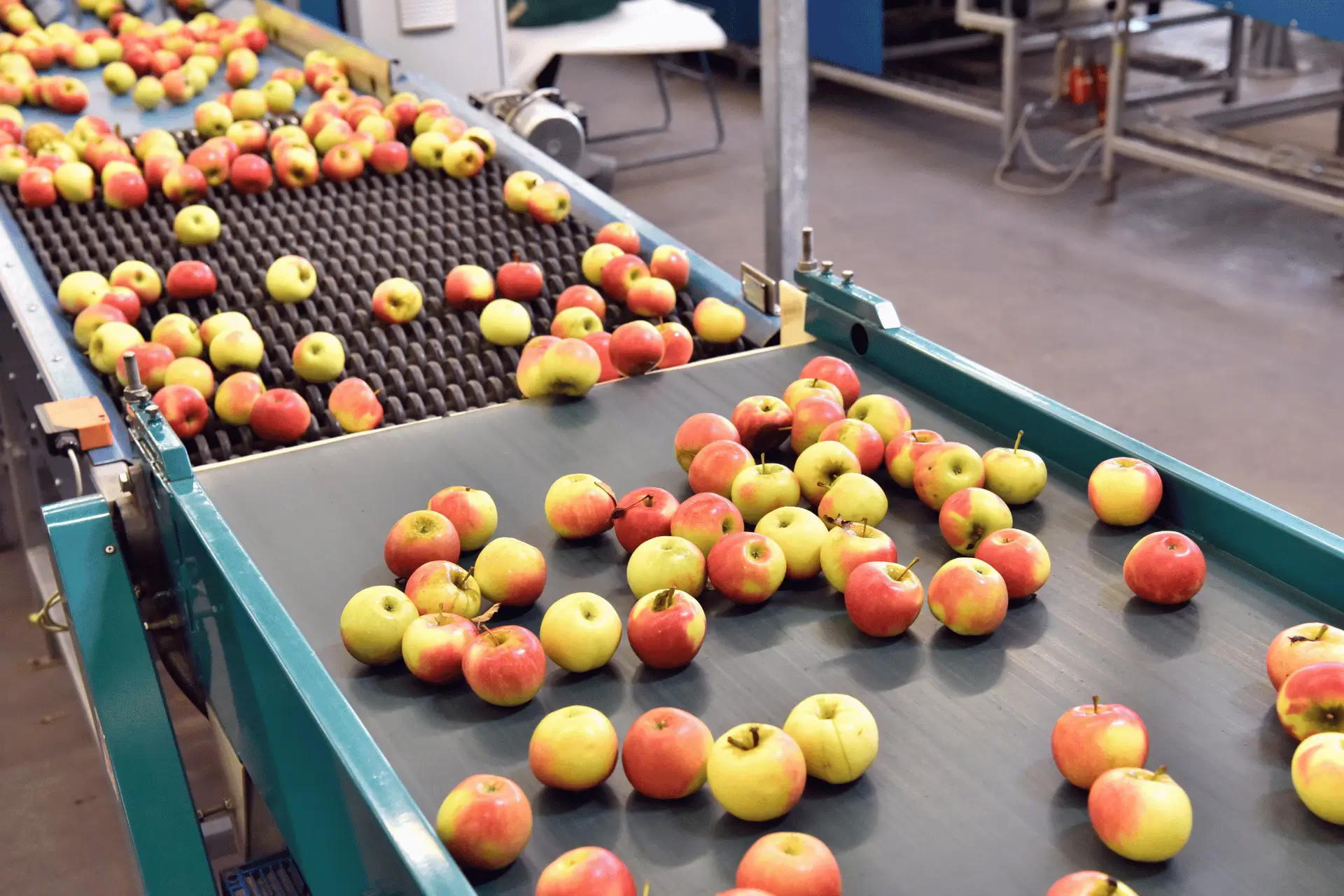
- Surfaces: disinfecting packhouses, cold stores and processing areas, including conveyors and handling equipment where spores build up.
- Air: reducing airborne mould spores in cold stores, packing halls and packaging facilities, so fruit isn’t re-contaminated while it waits to ship.
Timing matters. UV does its job before fruit is waxed or coated, by keeping the water, surfaces and air it meets clean. It isn’t designed to treat fruit once a wax coating has gone on, and it won’t remove residues that are already there, whether from pre-harvest sprays or post-harvest treatments. The aim is to cut contamination early enough that fewer chemicals are needed in the first place.
UV isn’t a magic switch that removes the need for every other control overnight. But by cutting the microbial load at each of these points, packhouses can reduce their reliance on post-harvest chemical treatments. That means fewer residues, fewer warnings and a stronger story to tell retailers and shoppers.
Our systems are designed to be simple to run, with minimal maintenance, so they fit into existing lines without adding complexity.
The label is only the start
The Lidl lemon story will fade, but the questions it raised won’t. Shoppers who’ve learned to check the label on their citrus will start checking it on other produce too, and retailers will want suppliers who can give them a cleaner answer.
Growers and packhouses that move away from post-harvest chemicals now will be ahead of that curve. UV disinfection offers a practical, chemical-free way to protect produce through washing, packing and storage.
Want to see how UV could work in your packhouse, cold store or water system? Get in touch with the UVO3 team to talk it through.
Tel: +44 (0)1480 355 446
Email: sales@uvo3.co.uk
Sources
- Kate Roxburgh, “Autumn tabbouleh, the everlasting cabbage and a long list of cookbooks” (Substack, Oct 2026)
- Over 50s Chat, “Supermarket citrus fruit peel marked not fit for consumption” (Oct 2026)
- Coventry Telegraph, “Health warning over citrus fruits as expert says ‘check labels'”
- Court of Justice of the EU, press release on Spain v Commission (March 2016)
- European Parliament, written question E-002234/2019 on citrus peel
- Fact Crescendo, “Are fruits in Tesco unsuitable to eat due to coating layers?” (July 2025)
- Environmental Working Group, fungicides on citrus
- Pesticide Action Network UK, The Dirty Dozen
- University of Florida IFAS, 2025–2026 Florida Citrus Production Guide: Decay Control
- University of Florida IFAS, Packinghouse Newsletter 135
- University of Palermo, research on lemon post-harvest decay control
- Fresh Fruit Portal, biological control tests in lemon export region